
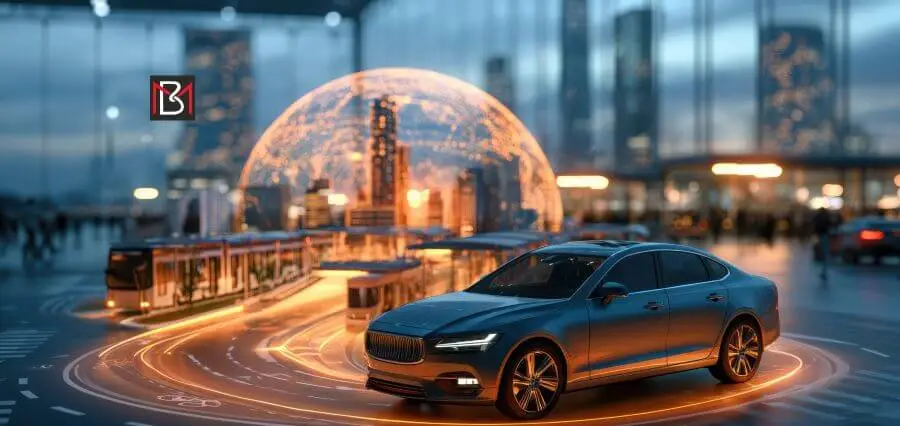
Integrating Connectivity
A few years ago, riding the bus meant standing at a stop and hoping it showed up. Now a phone shows where the bus is, how full it is, and when it will arrive. Some cars can warn other drivers about slick roads, and a few traffic lights change timing based on how many vehicles are waiting. Smart mobility solutions pull these separate improvements together into a single connected network.
This blog looks at how connected transportation works, who gains from it, and what still holds it back. The language stays simple and the examples come from everyday travel, so no technical background is needed to follow along.
How Connected Transportation Works
The idea behind it is straightforward. Vehicles, roads, and passengers constantly send out small pieces of information, such as position, speed, and road conditions. Wireless networks carry that information to control centers, where staff can act on it quickly. When a street closes unexpectedly, a bus can be redirected within minutes.
A printed timetable cannot react that way. Riders get arrival times they can trust, and operators see where a delay began instead of learning about it later. Smart mobility solutions work best when this flow of information reaches the people who can use it, whether they are drivers, dispatchers, or planners.
What Riders Gain Every Day
Convenience is usually the first thing people notice. A single app can list buses, trains, bikes, and ride services together and let a person pay for the whole trip at once. Shorter waits and fewer missed connections give people a reason to keep using public transit instead of driving alone.
Safety improves as well. A car that warns its driver about hard braking ahead or a pedestrian near a crosswalk can prevent a crash before it happens. Seniors and people with disabilities benefit from live updates too, because knowing what to expect makes travel far less stressful.
Easing Traffic and Cleaning the Air
Traffic jams cost cities a great deal of time and money. Connected signals and live route suggestions spread vehicles across more streets, so backups build slowly and clear faster. Delivery companies save fuel by planning around actual road conditions. Many city officials now view smart mobility solutions as a practical way to relieve crowded streets.
Fewer idling engines mean fewer emissions, and the rise of electric buses and shared vehicles adds to the improvement. Neighborhoods with cleaner air and smoother traffic also tend to attract new residents and local businesses.
Hurdles That Remain
Everything here runs on data, which raises reasonable concerns about privacy. People want to know what is collected, who can see it, and how long it is kept. Plain-language policies help build trust. Security matters just as much, since one breach could disrupt transit across an entire city.
Cost and coordination are the other obstacles. Many roads were built long before any of this technology existed, so they need work before they can support it. On top of that, transit and traffic agencies frequently buy separate systems that cannot exchange information. Common technical standards fix part of that, because gear from different makers can then work side by side and a city is not tied to a single supplier. Smart mobility solutions can only grow when these basics are settled.
Why Partnerships Matter
No single organization can build all of this alone. Automakers, wireless carriers, technology companies, and local governments each control a different part of the system. Once everyone at the table agrees on basic rules and is willing to share data, passengers can count on their trips and planners can catch trouble early. A deal like this holds together when each partner has a clear job and the bill feels fair to all of them.
Small pilot projects help everyone learn faster. Trying an idea on one bus route or in one downtown district shows what works before large sums are committed. Communities that share their results openly usually earn stronger public backing for smart mobility solutions.
Where Connected Travel Is Heading Next
The coming years will likely bring more electric fleets, better transit apps, and easier payment options. Riders should notice fewer gaps between one service and the next.
Change will probably arrive in steps rather than all at once, and each step makes the next one easier. Cities that listen to riders and keep investing in smart mobility solutions will be well placed to shape how people get around.
Conclusion
Getting around town is already different from what it was a few years ago, and the change is still unfolding. Riders spend less time waiting, streets move a little more smoothly, and the air in busy areas is slowly getting cleaner. Questions about privacy, security, and cost have not gone away, and they deserve steady attention.
What happens next depends on how well cities, companies, and riders work together. Starting small, learning from the first results, and keeping residents informed along the way gives a project its best shot at lasting.