
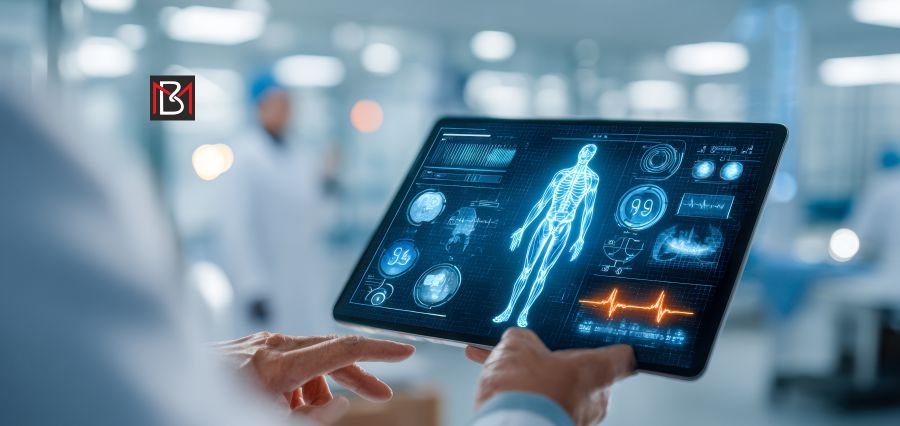
The rising prevalence of chronic lung diseases, combined with environmental pollution and the lingering effects of global respiratory infections, has positioned respiratory health as a critical focus area in contemporary medical practice. Pulmonary care specialists have become essential to healthcare systems as they handle increasing patient needs by providing diagnosis and treatment for complex respiratory diseases. The medical professionals now provide their knowledge to patients through hospital treatment, ongoing disease management and preventive health initiatives which will help patients achieve better health outcomes while decreasing medical expenses.
The field of respiratory medicine is undergoing its most important changes because precision healthcare has started to establish itself as a new medical practice. The development of diagnostic tools and imaging systems together with data-based clinical applications has created new possibilities for personalized treatment methods. Pulmonary care specialists can now use customized treatment methods which they can create by understanding their patients’ unique characteristics, health histories and genetic backgrounds. The combination of these innovations creates a new direction for respiratory care which will focus on preventive methods and specific treatment approaches.
Rising Role
The role of pulmonary care specialists in the contemporary healthcare systems is gaining prominence due to the fact that respiratory diseases are on the increase worldwide. Asthma, chronic obstructive pulmonary disease, interstitial lung disease, and post infectious complications are some of the conditions that have amplified the need to have highly trained experts that can provide special respiratory care. These experts are not just diagnosing and treating the complicated conditions of the lungs but also organizing the long term management plans which enhance the quality of life.
Their scope of practice has expanded to preventive care and early intervention, not just clinical, as before. As environmental pollution increases, as well as occupational risks and respiratory issues following the pandemic, pulmonary specialists are more and more sought after in terms of complex diagnostic assessment. Their skill is used to detect slight alterations in lung functionality before developing irreversible damages, and thus early intervention is an essential part of the current respiratory therapy.
Precision Tools
Precision respiratory care is changing the way pulmonary disease is being diagnosed and treated. The development of imaging technologies, molecular diagnostics, and testing of lung functioning has allowed clinicians to abandon the generalized approach to treatment and resort to the most personalized care strategy. This change enables experts to learn about the individual biological and environmental influences on the respiratory health of each patient.
Data-driven tools, such as artificial intelligence and predictive analytics are also increasing the accuracy of diagnostics. Such technologies can help pulmonary care specialists to define patterns of the disease, anticipate exacerbations, and streamline treatment regimes. This has led to more accurate medication dosing, disease monitoring, and long term outcomes with less hospitalization among patients.
Future Outlook
Precision medicine and digital health ecosystems are likely to become the future of pulmonary care. The use of wearable respiratory monitors, remote patient trackers, and telemedicine platforms are making continuous care possible outside of hospitals. This change enables experts to track the functioning of the lungs in real time and take the required actions at the time when the abnormalities are identified.
Meanwhile, genomics and biomarker discovery studies are presenting novel avenues of targeted respiratory treatments. Genetic profiling and individual treatment plans will be increasingly used by pulmonary care specialists to treat the underlying causes of respiratory diseases. This development is an indication of a shift towards more predictive, preventive, and individualized respiratory care models that reshape the standard of patient management.
Conclusion
The shift towards precision-driven practitioners of pulmonary care represents a larger shift in health care, as personalization and early intervention are becoming central to clinical practice. With enhanced diagnostic capabilities and the merging of data analytics in decision-making, experts can now have a more accurate and efficient approach to complex respiratory conditions. This not only improves patient care but also boosts the overall stability of healthcare systems in dealing with the increasing respiratory disease burden.
Moving forward, the future of respiratory care will be characterized by further innovations and the greater involvement of the technology in clinical practice. Pulmonary care is shifting towards a more predictive and preventive model, with AI-enabled diagnostics to genomic-based treatment planning. The ongoing developments will enable pulmonary care specialists to provide precise patient-centered treatment which will improve patient results and establish new standards for respiratory medicine.